Brentford bulky-waste removals: common pitfalls
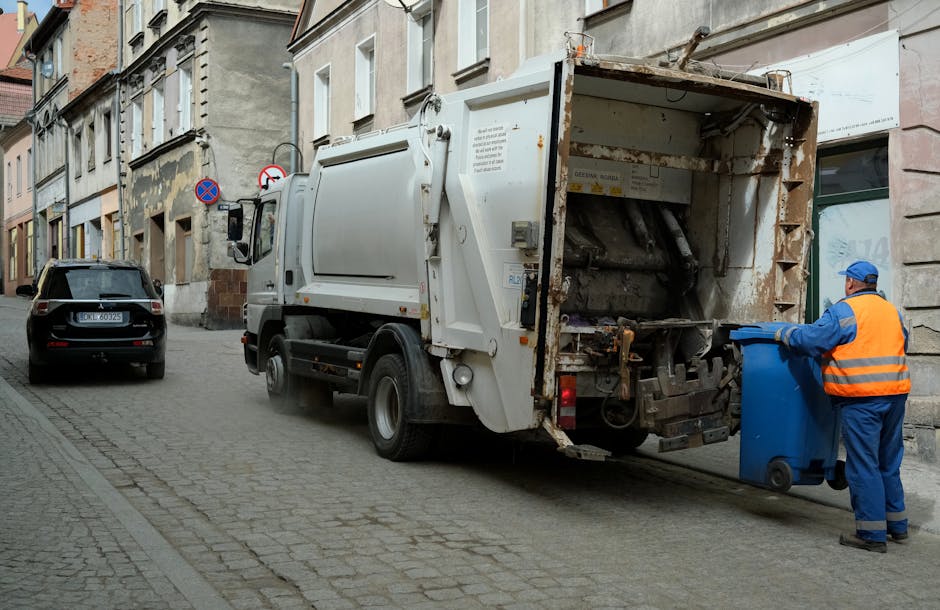
Bulky-waste removals sound simple enough. You book a collection, move the awkward items out, and enjoy the sudden relief of having a clear hallway again. But in Brentford, as in most busy London areas, the jobs that look easiest are often the ones that go wrong in small, annoying ways. Missed access details, underestimated load sizes, poor sorting, and vague pricing can turn a straightforward clearance into a stressful morning.
This guide to Brentford bulky-waste removals: common pitfalls is designed to help you avoid those avoidable headaches. We will look at how the process usually works, where people get caught out, what to check before booking, and which choices make the whole job smoother. If you are clearing old furniture, broken appliances, renovation debris, or mixed household rubbish, a little planning goes a long way. Truth be told, it is usually the preparation that saves the day.
And yes, bulky waste can be heavy, awkward, and a bit demoralising. Nobody enjoys carrying a wardrobe down two flights of stairs at 8 a.m. in the rain.
- Why these removals matter in Brentford
- How the process works
- Key benefits and practical advantages
- Who this is for and when it makes sense
- Step-by-step guidance
- Expert tips for better results
- Common mistakes to avoid
- Tools, resources and recommendations
- Law, compliance, standards, or best practice
- Options, methods, or comparison table
- Case study or real-world example
- Practical checklist
- Conclusion
- Frequently asked questions
Why Brentford bulky-waste removals: common pitfalls Matters
Bulky waste is not just "more rubbish". It tends to be awkwardly shaped, difficult to lift, harder to load neatly, and more likely to involve access issues. In a place like Brentford, where homes range from flats and terraces to larger family properties and commercial premises, the practical challenge is often not the item itself. It is the getting it out safely, legally, and without upsetting the whole day.
The common pitfalls matter because they affect four things at once: cost, time, safety, and disposal quality. A collection that was meant to be quick can become expensive if the vehicle turns out to be too small. A lift that was meant to be simple can become risky if someone underestimates the weight of a bed base or fridge. And if the load is not sorted properly, you may end up paying for extra handling or making the contractor rearrange the route. Not ideal.
There is also the local reality. Brentford traffic, parking pressure, narrow access in some streets, and apartment blocks with shared entrances can all complicate what looks like a simple pick-up. Even a very competent team still needs accurate information before they arrive. That is where many problems start: not with the lifting, but with the booking.
Expert summary: Most bulky-waste problems are preventable. The biggest wins usually come from giving accurate item details, checking access in advance, separating reusable items from genuine waste, and confirming pricing before collection day.
Table of Contents
- Why Brentford bulky-waste removals: common pitfalls Matters
- How Brentford bulky-waste removals: common pitfalls Works
- Key Benefits and Practical Advantages
- Who This Is For and When It Makes Sense
- Step-by-Step Guidance
- Expert Tips for Better Results
- Common Mistakes to Avoid
- Tools, Resources and Recommendations
- Law, Compliance, Standards, or Best Practice
- Options, Methods, or Comparison Table
- Case Study or Real-World Example
- Practical Checklist
- Conclusion
- Frequently Asked Questions
How Brentford bulky-waste removals: common pitfalls Works
At a practical level, bulky-waste removal is usually a straightforward service. You identify the items, decide whether they are for disposal, reuse, or recycling, and then arrange a suitable collection method. Depending on the size of the job, that might involve a man and van service, a larger vehicle, or a more structured removal job using a removal van or moving truck.
The process generally follows a few stages:
- Assessment: You list the items and describe access conditions honestly.
- Quote or booking: The provider estimates labour, vehicle size, and disposal needs.
- Collection: The team arrives, loads items safely, and checks for any last-minute surprises.
- Sorting and disposal: Items may be reused, recycled, or disposed of depending on condition and material.
- Completion: You receive confirmation or documentation depending on the service model.
The pitfall is that people often assume this will work exactly like moving a few bags to the kerb. Bulky waste is different. A single three-seater sofa can be more awkward than a pile of smaller boxes. A broken wardrobe may need dismantling. A mattress can be easy to move but difficult to protect from dirt in shared hallways. Small details matter, and they matter quickly.
Sometimes the job also overlaps with a wider move or clear-out. For example, someone leaving a flat might book bulky-waste removal alongside flat removals or combine it with furniture pick-up for reusable pieces. That can be efficient, but only if the items are described clearly and the operator knows what is being removed versus what is being kept.
Key Benefits and Practical Advantages
When done properly, bulky-waste removal is less about "getting rid of stuff" and more about regaining space without creating chaos. That sounds obvious, but the practical advantages are easy to underestimate.
- Less physical strain: You avoid dragging heavy furniture, white goods, or awkward items through the property on your own.
- Cleaner handover: Useful when you are moving out, preparing a rental, or clearing a room for renovation.
- Better recycling outcomes: Well-sorted waste is easier to route through the right disposal stream.
- Time saved: A professional collection often takes far less time than a DIY trip to a facility, especially once loading, driving, and unloading are counted.
- Reduced risk of damage: Hallways, stair rails, floors, and door frames are less likely to suffer knocks and scrapes.
There is also a quieter benefit: peace of mind. You know the sofa is gone, the spare room is usable again, and you are not mentally juggling whether the item will fit in the car boot. That mental relief is real. You will notice it as soon as the space clears.
If you are planning a broader home or business move, bulky-waste removal can work alongside home moves or office removals. In some cases, it can also help to use storage for items you are not yet ready to discard. That keeps the decision-making calmer and a bit less rushed.
Who This Is For and When It Makes Sense
This kind of service is useful for more people than you might think. It is not just for major house clearances or landlords dealing with abandoned furniture. It is also for ordinary households, small businesses, students, and anyone who has reached the point where "I'll deal with it next weekend" has become a long-running joke.
Typical situations include:
- Replacing old sofas, wardrobes, beds, or tables
- Clearing broken appliances such as fridges, freezers, or washing machines
- Removing items after a tenancy ends
- Managing waste from a refurb, DIY project, or office reshuffle
- Dealing with mixed items after a bereavement or long period of storage
- Clearing student rooms or shared flats where bulky items have built up
It makes sense when the items are too large or too numerous for a normal car journey, and when you want the work handled with less stress. For student households, a service like student removals can be a useful match when bulky furniture needs shifting between term-time addresses. For businesses, there is a similar logic with commercial moves or office relocation services, especially if old desks, chairs, or filing units are being replaced.
And for the occasional same-day scramble? That happens too. A broken item might need removing before new furniture arrives, in which case same-day removals can be the practical answer. Not glamorous, but very handy.
Step-by-Step Guidance
If you want fewer surprises, follow a process. The smoother bulky-waste jobs are almost always the ones where someone took an extra ten minutes to think things through.
1. Identify every item clearly
Write down what is going, not just the headline item. "Sofa" is useful, but "three-seat sofa, one armchair, coffee table, one mattress, and two broken shelving units" is much better. If something needs dismantling, say so.
2. Check access before you book
Is there a lift? Are there stairs? Is parking tight? Can a van stop outside for long enough? In some Brentford streets, the answer to that last question is the whole story. If a crew has to walk items a long distance, the job may take longer and cost more.
3. Separate reusable, recyclable, and waste items
This saves time and can improve the disposal outcome. If one chair is still usable, say so. If a wardrobe is damp or damaged, say that too. A team can only plan properly when it knows what it is collecting.
4. Ask how pricing is calculated
Some jobs are priced by load volume, others by labour time, item type, or access complexity. If you are not sure, ask directly. A clear quote is much better than a vague one that becomes "a bit more than expected" on arrival. Let's face it, nobody likes that conversation.
5. Prepare the items in advance
Remove personal items, cables, loose fittings, and fragile contents. If you are clearing furniture, empty drawers and cupboards first. That reduces the chance of damage and speeds everything up.
6. Confirm what happens to the items
If sustainability matters to you, ask whether reusable items are diverted for reuse and how recyclable materials are handled. The page on recycling and sustainability is a sensible place to look if you want to understand the wider approach.
7. Check the paperwork or service terms
For peace of mind, review the practical details around booking, payment, and responsibilities. The relevant pages on terms and conditions, payment and security, and insurance and safety can help you understand what is covered and what is expected.
Expert Tips for Better Results
A few small choices can make a big difference. The job often goes better when you think like the crew, not just like the person wanting the clutter gone.
- Take photos before the booking: A couple of clear images usually help more than a long description. Side-on and front-on views are best.
- Measure the awkward items: Height, width, and depth matter, especially for wardrobes, large sofas, and appliances.
- Clear the path first: Move shoes, rugs, bins, toys, and other trip hazards out of the way.
- Keep pets and children away from the route: Sounds obvious, but busy homes get busy fast.
- Group items by room: It speeds loading and avoids the "wait, that chair was staying" moment.
- Leave a little extra time: A rushed collection tends to create mistakes. Ten minutes of breathing room can save a lot of hassle.
If the job involves mixed household goods, a removal services team may be a better fit than trying to force everything into one generic collection. Likewise, if the items are primarily furniture, furniture removals or furniture pick-up may align better with what you need. The right fit matters more than the fanciest label.
One small but useful habit: label the items that must not be taken. A bright note or tape marker can save you a headache later. People forget. It happens.
Common Mistakes to Avoid
This is where most of the pain sits. The same few errors come up again and again, and most are completely avoidable.
Underestimating how much space the items take
A heap of flat-packed boxes looks small until you start loading it. Bulky waste can consume van space quickly because it is irregular, not because it is "a lot" in the obvious sense. That is why a quick eye-ball estimate is often misleading.
Forgetting about access restrictions
Loading space, parking, height barriers, stairs, and narrow entrances all affect the job. If you only describe the items and not the access, you are leaving out half the picture.
Assuming all items can go together
Some things are reusable, some recyclable, and some require special handling. Mixing everything together can create delays. It can also mean the wrong sort of disposal route gets planned.
Leaving sorting until collection day
This is a classic. The team arrives, and suddenly the loft insulation, broken chair, garden waste, old mattress, and office paper all need separating. That is not a disaster, but it does make the process slower and more expensive.
Choosing the cheapest option without checking what is included
Low price is attractive, of course. But if it does not include enough labour, the correct vehicle, or proper disposal handling, it may end up costing more in the end. Cheap is only cheap if it still does the job.
Not confirming disposal expectations
Some customers assume every item will be recycled or donated. Sometimes that is possible, sometimes not. A worn-out sofa with significant damage may have limited options. Better to ask than assume.
Being vague about what is staying behind
"Most of the room is going" can cause confusion. Separate the keepers from the removals. It saves time and avoids awkward mistakes.
Tools, Resources and Recommendations
You do not need specialist kit for every job, but a few basic tools help immensely. This is the sort of thing people rarely think about until they are halfway down the stairs with a wobbly cabinet. Then it becomes obvious.
- Measuring tape: Useful for doors, lifts, hallways, and the item itself.
- Phone camera: Photos help with planning and quoting.
- Marker tape or labels: Good for separating keep, remove, recycle, and donate piles.
- Work gloves: Helpful for handling rough edges, broken furniture, or dusty items.
- Basic dismantling tools: A screwdriver or hex key can be enough for flat-pack furniture.
On the planning side, the most useful "resource" is often a checklist, because memory becomes unreliable once the room fills with clutter. If the removal is part of a bigger move, you may also want to look at packing and boxes or packing and unpacking services so the removals are coordinated rather than handled in separate, overlapping piles of effort.
For larger or heavier loads, options such as removal truck hire or a larger-scale removals service may be better than a small van. The right vehicle avoids half the stress, honestly.
Law, Compliance, Standards, or Best Practice
Bulky-waste removal is not only about convenience. There are legal and practical responsibilities around waste handling, transport, and disposal. The exact requirements can vary depending on the material, the type of property, and who is doing the work, so it is wise to stay cautious and avoid making assumptions.
As a rule of thumb, a reputable service should be able to explain how items are handled, whether they are insured for the work they perform, and how they approach safe loading and disposal. That is one reason pages like health and safety policy and insurance and safety matter. They are not decorative pages. They tell you something about the standard of care expected.
Best practice usually means:
- Giving accurate information about the waste stream
- Avoiding unsafe lifting or blocking escape routes
- Keeping hazardous or specialist items separate unless the provider confirms they can handle them
- Using clear booking terms and transparent payment arrangements
- Checking that the provider has a sensible approach to recycling and responsible disposal
If you are dealing with office or commercial waste, the standard for clarity goes up again. Businesses often have more mixed materials, more timing pressure, and more people affected by the clearance. That is where office removals and related services become useful because they bring structure to what could otherwise become a messy interruption.
One more practical note: if you are unsure whether an item needs specialist handling, ask before the collection day. It is far easier to solve that problem in advance than with a van on the driveway and a load of confusion.
Options, Methods, or Comparison Table
There are a few different ways to deal with bulky waste. The best option depends on the item type, urgency, and how much lifting you are prepared to do yourself.
| Method | Best for | Pros | Potential drawbacks |
|---|---|---|---|
| DIY disposal | Very small loads and light items | Lower cash cost, flexible timing | Time-consuming, physically hard, transport limits |
| Van-based collection | Single-room clear-outs, furniture, mixed bulky items | Practical, efficient, less lifting for you | Needs accurate item details and access planning |
| Full removal service | Larger homes, complex access, multiple heavy items | More support, better coordination, reduced stress | Usually costs more than a simple lift-and-go |
| Furniture-focused pick-up | Reusable sofas, tables, wardrobes | Good for clearing furniture quickly | Not ideal for mixed waste or broken items only |
| Storage first, decision later | Items you may keep, sell, or pass on | Buys time, avoids rushed disposal decisions | Not a clearance solution on its own |
If the job is time-sensitive, a flexible provider such as man with a van may suit a small to medium collection. For straightforward furniture clearances, the service flow may feel very similar to furniture removals. In bigger jobs, the better question is not "what is cheapest?" but "what will actually fit the situation without drama?"
Case Study or Real-World Example
Here is a realistic example from the sort of job many Brentford households recognise. A family in a top-floor flat needed to clear a damaged sofa, an old ottoman bed, two broken dining chairs, and a bulky wardrobe before new furniture arrived on a Friday afternoon. They initially thought it would be a simple one-van job. Then they remembered the stairs were narrow, the lift was small, and the wardrobe was still assembled.
They sent photos, measured the hallway, and mentioned the stairs in advance. That changed the plan. The provider brought a more suitable vehicle, allowed extra time for careful handling, and advised dismantling the wardrobe before collection. A small adjustment, but it made the day much calmer. No strained backs, no doorframe knocks, no last-minute panic.
The key lesson? The job did not become easier because the items changed. It became easier because the information improved. That is the part people sometimes miss. It is not magic. It is preparation.
In another instance, a small office in Brentford was replacing desks and storage units. The team booked removal separately from the new furniture delivery and ended up with a corridor full of old equipment that had to be moved twice. If they had coordinated the plan with office relocation services from the start, they would have saved time and a few headaches. Little things, but they add up.
Practical Checklist
Use this checklist before your bulky-waste collection. It is short for a reason: on the day, people are usually busy and slightly frazzled.
- List every item to be removed
- Measure any unusually large or awkward pieces
- Check stairs, lift access, parking, and doorway widths
- Separate items to keep, donate, recycle, or dispose of
- Remove personal belongings, cables, and loose fittings
- Take photos of the items if the provider requested them
- Confirm the quote and what it includes
- Check payment method and booking terms in advance
- Ask about recycling and disposal handling if that matters to you
- Keep pathways clear on collection day
- Protect floors or corners if you expect tight manoeuvring
- Make sure someone is available to answer questions on arrival
If you are at all unsure about timing or access, it is better to say so early. A good provider would rather hear "the lift is temperamental" than discover it halfway through the job. That is just common sense, really.
Conclusion
Brentford bulky waste removal is rarely difficult because of the waste itself. The difficulty comes from the gaps between what people expect and what the job actually needs. Once you understand the common pitfalls, the whole process becomes much more manageable.
So, the practical approach is simple: describe the items clearly, think through access, confirm what is included, and choose the right kind of service for the scale of the job. Whether you are clearing a flat, refreshing an office, or dealing with a one-off bulky item, the same rule applies. Good preparation beats rushed guesswork every time.
If you take nothing else from this guide, take this: a clean plan is cheaper, safer, and far less stressful than a last-minute scramble. And that, to be fair, is what most people are really paying for.
Get a free quote today and see how much you can save.
Frequently Asked Questions
What counts as bulky waste in Brentford?
Bulky waste usually means large household or commercial items that are too big for normal bin collections. Common examples include sofas, beds, mattresses, wardrobes, tables, appliances, and similar awkward items.
Is bulky-waste removal the same as furniture removal?
Not always. Furniture removal focuses on items like sofas, beds, and tables, while bulky-waste removal can include a wider mix of large waste items. In some cases, the services overlap quite a lot.
How do I avoid surprise charges?
Give a full item list, mention access issues, and ask how the price is calculated. Surprise charges usually come from missing details, not from the job itself.
Do I need to dismantle furniture before collection?
Only if the provider asks you to, or if dismantling will clearly help with access. Some items are easier and safer to remove in parts, especially in flats and tight stairwells.
Can bulky items be recycled?
Often, yes, but it depends on the item and condition. Some materials can be reused or recycled more easily than others. Damaged or contaminated items may have fewer options.
What should I do with items I might keep later?
Put them in a separate space or use storage if you are undecided. Mixing "maybe" items with waste is a common way to lose something useful by mistake.
Is same-day collection available?
Sometimes it is, depending on availability and job size. If your clearance is urgent, a same-day option can be helpful, but clear item details are even more important in a rush.
How do I prepare a flat for bulky-waste removal?
Clear the route, check lift access, move small items out of the way, and separate anything that should not be taken. Flats can be simple jobs, but only if the access is planned properly.
What if my building has limited parking?
Tell the provider early. Parking limitations can affect timing, labour, and vehicle choice. In busy parts of Brentford, this is one of the most common issues.
Can bulky-waste removal be combined with a house move?
Yes, and that can be very efficient. Many people combine clear-outs with house removals or wider home moves so they only handle the heavy lifting once.
Do I need to worry about insurance?
It is sensible to ask. Any professional service should be clear about insurance and safety arrangements, especially when moving heavy items through tight spaces.
What is the biggest mistake people make with bulky waste?
The biggest mistake is under-sharing information. People describe the items but forget access, parking, stairs, or what is staying behind. That is usually where the plan starts to wobble.
For a calmer collection day, keep the details simple, precise, and honest. That is the quiet secret behind a surprisingly smooth bulky-waste removal, and it can make all the difference when the van pulls up and the clock starts ticking.