Hounslow Council permit guide for Brentford moves

If you are planning a move in Brentford, permits are one of those jobs that can quietly make or break moving day. Get them sorted early and the whole process feels smoother. Leave them too late and suddenly you are juggling bays, yellow lines, loading restrictions, a van blocking the kerb, and a driver asking where exactly they can stop. Not ideal, to be fair.
This Hounslow Council permit guide for Brentford moves is here to make the whole thing easier to understand. You will learn when a permit is likely to matter, how the process usually works, what local streets and access issues tend to mean in practice, and how to avoid the kind of last-minute surprises that turn a move into a headache. If you are booking a full house move, a flat move, or something smaller with a man and van service, the permit question is worth handling early.
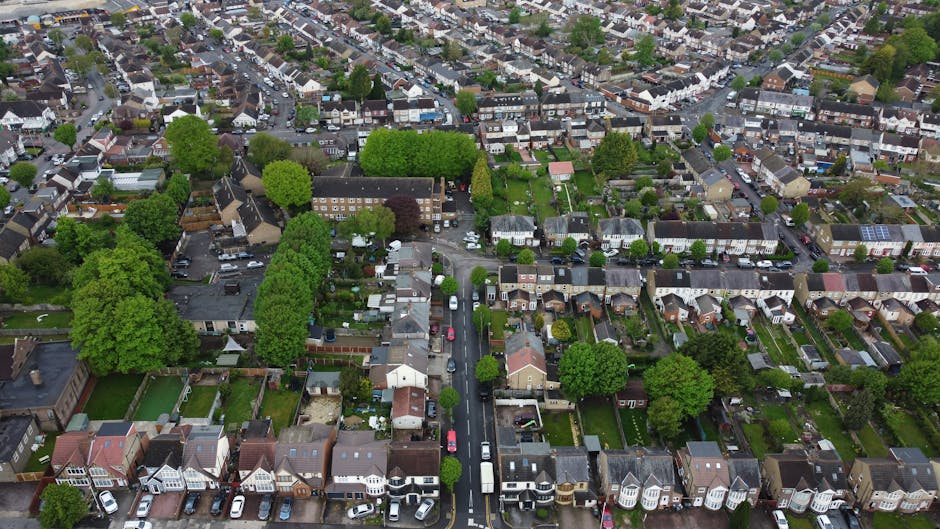
Brentford has a mix of residential streets, busier roads, terraces, flats, and tighter access points. That means the simple question is not just "Do I need a permit?" but also "Where can the vehicle actually stop safely and legally for long enough to load?" That distinction matters more than people realise.
Expert summary: the safest approach is to check parking restrictions before your move, allow extra time for loading, and keep your move plan flexible. If your vehicle may need to wait, stop on a controlled bay, or use space that is normally restricted, treat the permit as part of the booking, not as an afterthought.
- Why Hounslow Council permit guide for Brentford moves Matters
- How Hounslow Council permit guide for Brentford moves Works
- Key Benefits and Practical Advantages
- Who This Is For and When It Makes Sense
- Step-by-Step Guidance
- Expert Tips for Better Results
- Common Mistakes to Avoid
- Tools, Resources and Recommendations
- Law, Compliance, Standards, or Best Practice
- Options, Methods, or Comparison Table
- Case Study or Real-World Example
- Practical Checklist
- Conclusion
- Frequently Asked Questions
Why Hounslow Council permit guide for Brentford moves Matters
Parking and loading rules are not the glamorous part of moving home. Nobody dreams about them. But they are often the bit that determines whether your move starts with calm and ends with a cup of tea, or starts with a parking ticket and a stressed removal crew standing in the road. That is the reality.
In Brentford, space can be tight, especially near terraced streets, apartment blocks, and busier routes where stopping is limited. A permit matters because it helps you manage access legally and predictably. It also helps protect the move from avoidable delays, which is especially useful if you have fragile items, a time-sensitive handover, or access through a shared entrance.
Another reason this matters is fairness to neighbours and other road users. A well-planned loading arrangement reduces disruption and lowers the risk of complaints. If you have ever tried to reverse a van into a narrow street while cars pass and someone is carrying boxes, you will know the sound of stress all too well. A little planning goes a long way.
If you are moving a full home, a larger van or truck may need more space than you first expect. That is why services such as removals or home moves often benefit from checking access early, before the booking is locked in.
How Hounslow Council permit guide for Brentford moves Works
While specific council processes can change, the practical idea is straightforward: if your vehicle needs to use parking or loading space that is controlled, restricted, or otherwise managed, you may need permission or a permit arrangement before moving day. In simple terms, the permit is there to reduce the chance of enforcement action and to make the stop lawful for the time you need.
For a Brentford move, the key details usually come down to:
- the size and type of vehicle you are using
- how long it will need to stay nearby
- whether the property sits on a restricted street
- whether there is a loading bay, residents' bay, or other controlled parking nearby
- what time of day the move will happen
That last point is often overlooked. A 9am move and a 2pm move can be very different in Brentford. School traffic, commuter flow, and weekday parking demand can turn a simple stop into a messy one. If you are moving from a flat, especially one with shared access, the situation can be even more sensitive. A flat removals move may need more careful positioning than a ground-floor house on a wider street.
In practice, the process usually involves confirming the property access, checking any local restrictions, and allowing enough time for the vehicle to park, load, and leave without pressure. That sounds basic. It is. But basic gets forgotten when people are busy packing cutlery into a box labelled "misc".
Key Benefits and Practical Advantages
The clearest benefit is peace of mind. When parking is sorted properly, you are not guessing on the day. The driver knows where to go, the movers know how long they have, and you know the move is less likely to be interrupted by a ticket or a complaint.
There are also a few practical advantages that matter more than people expect:
- Reduced delays: the vehicle can get close enough to the property for efficient loading.
- Lower risk of fines: parking in the wrong place is expensive and unnecessary.
- Better handling of heavy items: shorter carry distances make moving sofas, appliances, and boxes safer.
- Improved timing: the crew can work more smoothly when they are not circling the block.
- Less stress for everyone: the move feels organised instead of improvised.
There is a softer benefit too. A move that begins with good access planning tends to feel more professional from the first five minutes. That matters if you are dealing with children, pets, awkward furniture, or a short gap between leaving one place and entering the next.
If you are only shifting a few items, a smaller vehicle may reduce the need for complex parking arrangements. In those cases, a removal van or a man with a van setup can be easier to coordinate than a larger truck, depending on access. It is not always about "bigger is better". Sometimes smaller is simply smarter.
Who This Is For and When It Makes Sense
This guide is useful if you are moving anywhere in Brentford where parking is not completely straightforward. That includes a lot of real-world scenarios:
- first-floor or higher-floor flats with shared entrances
- terraced homes with limited front space
- busy roads where stopping is restricted
- office or business relocations with delivery windows
- student moves with quick turnarounds and mixed access
- moves that involve bulky furniture or a piano
It is also worth paying attention if you are using storage as part of the move. A split move, where some items go to storage and the rest go to the new property, can mean two loading stages and more time on the vehicle than expected. If that sounds like your situation, the flexibility of storage can help, but the parking plan still needs to work.
In our experience, the people who benefit most from permit planning are the ones who think they have "just a quick move". Quick moves have a habit of becoming not-so-quick the moment one sofa refuses to fit through the door. Truth be told, that happens more often than anyone likes to admit.
If you are relocating a workplace, there is a different layer of planning altogether. A commercial move or office removals job usually needs clearer timing, clearer loading access, and fewer surprises. The parking question becomes part of continuity planning, not just logistics.
Step-by-Step Guidance
Here is a sensible way to approach the permit side of a Brentford move without making it complicated.
- Check the property access early. Walk the street if you can. Look for yellow lines, bays, time restrictions, controlled zones, and any place where a van would stick out or block traffic.
- Measure the moving requirement. Think about vehicle size, number of trips, and whether heavy or awkward items will need extra time.
- Confirm whether loading space is available. A loading bay sounds ideal until it is already occupied. Have a backup plan.
- Allow for local traffic patterns. Morning and late-afternoon windows can be busier and less forgiving in Brentford.
- Decide who is responsible for the permit check. If you are using a removals firm, ask early. If you are doing it yourself, make the permit task part of the booking checklist.
- Prepare the property for fast loading. Bring boxes together, disconnect appliances in advance, and keep hallways clear.
- Build in buffer time. Even a tidy move benefits from a margin. Lifts, weather, and traffic can all add minutes.
A simple rule helps here: if the move depends on the van being close to the entrance, treat parking as a core part of the job rather than an admin detail. That is especially true if you have a narrow staircase, awkward furniture, or a lot of boxes. A good removal services plan should account for that from the outset.
One small but useful habit is to assign someone to be the point person on moving day. It can be you, a family member, or the driver. One person, one plan. Otherwise everybody starts pointing at the same parking sign at once, and that never helps.
Expert Tips for Better Results
There are a few things experienced movers tend to do that save time and reduce friction.
- Ask about access before you ask about arrival time. A perfect arrival time is useless if the vehicle cannot stop near the property.
- Keep the loading route short. Clear the front path, lobby, or hallway before the vehicle arrives.
- Use the right vehicle for the job. A compact van may be easier on narrow streets, while a larger truck may suit fuller house moves. The best choice depends on the property, not just the load.
- Pack with the route in mind. Heavier boxes should be easier to grab. Fragile items should not be buried under random bits from the kitchen.
- Have a fallback space in mind. If the nearest bay is unavailable, know where the next legal stopping point is.
A practical example: if you are moving out of a Brentford flat with a one-way road and limited front parking, the best outcome may come from a smaller vehicle that can stop, load efficiently, and leave without stress. That is one reason people compare man with van, man with a van, and larger vehicle options rather than assuming one size fits all.
Another tip, maybe the most underrated one, is to label the difficult boxes clearly. "Books", "kitchen", "office", "fragile", that sort of thing. It sounds obvious, but it saves time when everyone is slightly tired and the kettle is in one place while the mugs are in another. Moving day brain is a real thing.
Common Mistakes to Avoid
The biggest mistake is leaving the permit question until the morning of the move. That is where pressure starts. If the vehicle cannot stop legally, the whole timetable gets shaky. Not dramatic, just annoying in a very expensive way.
Other common mistakes include:
- Assuming a quiet street has no restrictions. Plenty of calm-looking roads still have controlled parking rules.
- Ignoring loading time. It is easy to underestimate how long beds, wardrobes, or awkward furniture take.
- Using the wrong vehicle size. Too large, and you may struggle with access; too small, and you may need extra trips.
- Forgetting building access rules. Some flats and estates have their own arrangements beyond the street outside.
- Not coordinating with movers. If the driver expects one kind of access and gets another, the day slows down fast.
There is also a subtle mistake people make with timing: they plan the permit around the move, rather than planning the move around the permit. That sounds like a tiny wording difference. In practice it is huge.
If you are moving valuable items or items that need a bit of care, use a service with clear handling standards, such as piano removals or furniture removals, and make sure the parking/access plan suits the object, not just the postcode.
Tools, Resources and Recommendations
You do not need a huge toolkit to manage a Brentford move well. You need a few practical things, and a bit of structure.
- A street view check: look at the front of the property and nearby roads so you can visualise where a van would stop.
- A floor plan or room list: helpful for packing and deciding what comes out first.
- Strong tape, labels, and a marker pen: very ordinary, very useful.
- A phone call script: write down the access questions before you speak to anyone, so nothing gets forgotten.
- Padding and wrap materials: especially if you are moving table tops, mirrors, or delicate items.
For packing help, the most efficient route is often to pair good labels with a clear packing plan. A packing and boxes approach can be a lot less stressful than collecting random supermarket boxes and hoping they survive the staircase. Some do. Some, well, do not.
If your move is time-sensitive, consider whether a same day removals option makes sense. It will not remove the need for parking checks, but it can be useful when access windows are tight or plans have changed quickly.
It may also help to review policies and practical details on things like insurance and safety, especially if you are moving costly items or want reassurance about handling procedures. That kind of reading is not exciting. But it is useful, and sometimes useful is enough.
Law, Compliance, Standards, or Best Practice
Moving in a controlled parking area is not just about convenience. It can also touch on local parking enforcement, safe loading practice, and general duty of care to other road users. You do not need to become a parking-law expert, but you do need to act sensibly and avoid assumptions.
Best practice usually means:
- checking the parking rules before the move
- only stopping where loading is permitted or legitimately arranged
- keeping access routes clear for pedestrians
- not blocking driveways, crossings, or emergency access
- working within the agreed time window
For businesses, compliance becomes even more important. A commercial relocation can involve equipment, staff schedules, and customer access. If the vehicle cannot stop where expected, the cost is not just delay. It can affect the whole working day. That is why planning matters more than people like to admit.
There is a wider industry expectation too: professional movers should work with reasonable care, use appropriate equipment, and communicate clearly about access limitations. That is part of good service, not a luxury add-on. If you want reassurance about standards more generally, it can be helpful to review a company's health and safety policy and terms and conditions before booking.
Options, Methods, or Comparison Table
Different moves in Brentford call for different approaches. Here is a straightforward comparison that may help you choose the right setup.
| Move type | Typical access need | Permit risk | Best when |
|---|---|---|---|
| Small flat move | Short loading stop, often near shared entrance | Medium | You have a modest load and limited space |
| Full house removal | More time and more kerb space | Medium to high | You need efficient loading and possibly a larger vehicle |
| Office relocation | Clear timing, controlled access, minimal disruption | High | You are moving during business hours or to a busy road |
| Student move | Quick loading, light-to-medium load | Low to medium | Speed matters and the move is relatively small |
| Furniture-only move | Short carry distance, careful handling | Low to medium | You are moving one or two large items |
The table is not a rulebook. It is a practical way of thinking about what your move needs. A few items on the list can change the answer. For example, a "small" move on a tight street might be harder than a bigger move on a wider one. Access beats assumptions every time.
Case Study or Real-World Example
Picture a common Brentford scenario. A couple is moving from a second-floor flat into a terraced house nearby. The flat has a narrow stairwell, the street has limited daytime parking, and the van cannot sit outside for very long without blocking the flow of traffic. Nothing unusual, just a pretty normal London move.
They first think they can just "wing it on the day". Then they realise the loading bay is not directly outside their building, the nearest unrestricted spot is further away than expected, and the sofa is not going to carry itself across the road. So they rethink the plan. They check the access properly, choose a vehicle that fits the street better, pre-pack the boxes by room, and keep the big items near the exit before the van arrives.
The difference is noticeable. The crew loads faster, the hall stays clear, and nobody is standing in the doorway wondering where the kettle went. The move still takes effort, obviously. But the day feels controlled rather than chaotic.
That is the point of a good permit and access plan. It does not make moving fun. Let's not get carried away. But it does make it manageable, which is the real win.
For moves like this, a careful combination of house removals, packing support, and the right vehicle can make all the difference, especially if the property layout is awkward or the street is busy.
Practical Checklist
Use this checklist before moving day. It is simple, but simple is what saves you.
- Confirm the full move date and arrival window.
- Check the street for parking restrictions and loading space.
- Decide whether the vehicle needs a permit or a reserved stopping arrangement.
- Tell the mover about any narrow roads, low trees, or access barriers.
- Prepare a backup loading spot nearby.
- Pack heavy and fragile items separately and label them clearly.
- Keep the hallway, stairs, and exit route clear.
- Make sure keys, paperwork, and essentials are easy to reach.
- Review insurance, handling, and payment details in advance.
- Leave a little buffer time. Even 20 extra minutes can help.
If you are doing a bigger move, it can also be worth looking at removal companies and comparing the kind of support they provide. Some people only need a van and a driver. Others need a more complete move package with packing help and furniture handling.
Get a free quote today and see how much you can save.
Conclusion
A good Hounslow Council permit guide for Brentford moves is really about one thing: keeping your move legal, tidy, and less stressful. The permit itself is just a small part of the bigger picture, but it is the part that can prevent a lot of awkward problems. When the vehicle can stop in the right place, loading is easier, time is better used, and the whole day feels less frantic.
Brentford moves tend to go best when access is treated as a planning task, not a day-of surprise. Check the street, think about vehicle size, allow for loading time, and keep your move flexible. That is the calm route, and honestly, the best one.
If you take nothing else from this guide, take this: a well-planned move is not just faster. It feels lighter. And on moving day, that matters more than you might think.
Frequently Asked Questions
Do I always need a permit for a Brentford move?
Not always. It depends on where the vehicle will stop, how long it needs to stay, and whether the street has controlled parking or loading restrictions. Some moves can be handled without special arrangements, while others need more planning.
How far in advance should I check parking arrangements?
As early as you can. Ideally, check the access and parking situation as soon as your move date is known. Leaving it until the day of the move can create avoidable stress and may limit your options.
What happens if my van cannot park right outside the property?
You may need to use the nearest legal loading point and carry items a bit further. That can add time, especially with heavy furniture or a top-floor flat. It is one of the main reasons access planning matters.
Is a smaller vehicle better for Brentford streets?
Often, yes, especially on tighter streets or where parking is limited. But the right choice depends on the size of your load. A smaller vehicle can be easier to position, while a larger one may reduce the number of trips.
Can I use a man and van service for a permit-sensitive move?
Yes, in many cases. A man and van setup can work well for smaller or medium moves, particularly where the street access is tight. The key is making sure the vehicle and timing suit the location.
What if my move involves a flat with shared access?
Then the access plan becomes even more important. Shared entrances, stairs, and communal areas can slow things down if they are not kept clear. Flat moves often benefit from a tighter timetable and good communication.
Do office moves need different planning from home moves?
Yes, usually. Office relocations often need clearer timing, less disruption, and better coordination around business hours. If you are moving equipment or staff items, it is sensible to plan the parking and loading window very carefully.
What should I tell the mover before moving day?
Tell them about street width, parking restrictions, any lifts or stairs, loading access, and whether there are barriers or gates. The more accurate the access information, the smoother the job tends to be.
How can I make loading faster?
Keep boxes grouped by room, clear the exit route, and place larger items near the door before the vehicle arrives. If possible, disconnect appliances and dismantle furniture in advance. Small prep, big payoff.
Are there safety issues with parking too far away?
Yes. A longer carry distance can increase the chance of damage, fatigue, or trips and slips, especially in wet weather or on busy pavements. Good parking and loading arrangements reduce that risk.
Should I review insurance before booking a move?
Yes. It is sensible to understand what is covered, how items are handled, and what the service expects from you. Policies and wording vary, so a quick read before booking can save misunderstandings later.
What if I need to move at short notice?
Same-day or short-notice moves can still work, but they need quick decisions and flexible planning. A smaller vehicle, a simple load, and a clear access route usually make urgent moves easier to manage.
Where can I learn more about the company and its policies?
You can review the company's about us page, along with its insurance and safety details, health and safety policy, and recycling and sustainability information for a fuller picture of how it works.